
Batch check
Melonex Batch Check: How to Read a Lot Number and a CoA Reference
The seller quotes lot M-26/ME-3540 and certificate reference M-3540-26-ME for the batch we saw. Both are seller references, and we cannot confirm them. A lot number lets a maker trace a batch. A certificate of analysis is only worth something when it names a lab and the strength of each ingredient. Match your bottle to the document.
Written by the Melonex label deskUpdated
What reference does the seller quote?
The seller quotes one lot and one certificate reference. We print them as given and verify neither.
| Item | Quoted by the seller |
|---|---|
| Lot | M-26/ME-3540 |
| Certificate of analysis reference | M-3540-26-ME |
| Where printed on the bottle | Not shown on the label image we have |
| Lab name on the certificate | Not published |
These are seller references. We have no copy of the certificate and cannot say what it shows.
What is a lot number?
A lot number identifies a batch of a product made together. If a problem turns up, the maker can trace which bottles are affected.
It usually sits on the bottle near the expiry or best-before date, in ink or laser mark. Check yours when the parcel arrives and photograph it with the date. If you need to report a problem, MedWatch asks for the lot number and product details 1. A bottle with no lot number, or one that is rubbed off, is a flag to ask the seller.
What is a certificate of analysis?
A certificate of analysis, or CoA, is a lab report for one lot. A good one names the lab, the method, the date, the lot and the measured amount of each ingredient.
- The lab is named, and is not the seller.
- The lot on the document matches the bottle.
- Each ingredient is listed with a measured amount.
- The method is named, such as HPLC for amino acids.
- Contaminant tests such as heavy metals and microbes are included.
- The date is recent.
A one-line certificate that says "pass" and names no lab is weak. Ask for the full report, as the testing page advises.
How do you match your bottle?
Compare three things: the lot on your bottle, the lot on the document and the product name and strength.
If the lot differs from the one quoted here, that does not mean anything is wrong: lots change over time. It means the quoted reference does not cover your bottle, and you should ask for the document for your lot. Keep a photo of the label and the lot with your order email. That also helps with the guarantee 2. See the guarantee page.
How do you spot a counterfeit?
Buy from the order link, check the seal, and compare the bottle with the label images on this site.
GAO found that 20 of 47 brand-name products bought from third-party vendors on five popular marketplaces were counterfeit 3. The INFORM Consumers Act requires marketplaces to share seller details for many high-volume sellers 4. Signs of a problem include a broken safety seal, a label that does not match, a missing lot number, misspellings and a price far below the sales site. If in doubt, do not use it and contact the order desk.
What should your email to the order desk say?
Keep it short, polite and specific: name the lot, ask for the report and ask for the facility name.
Use the address on the label or in your order email, as shown on the contact page. Say: "I ordered Melonex on (date). My bottle is lot (number). Please send the certificate of analysis for this lot, the name of the testing lab and the name of the manufacturing facility." Attach a photo of the bottle label. Note the date you wrote. If you hear nothing in ten business days, write again and keep both emails.
A real answer will usually come with a PDF. Check that the lot, product name and date match, that the lab is named, and that amounts are given for the main ingredients. If the document shows only "pass", or a lot you do not own, write back and say so.
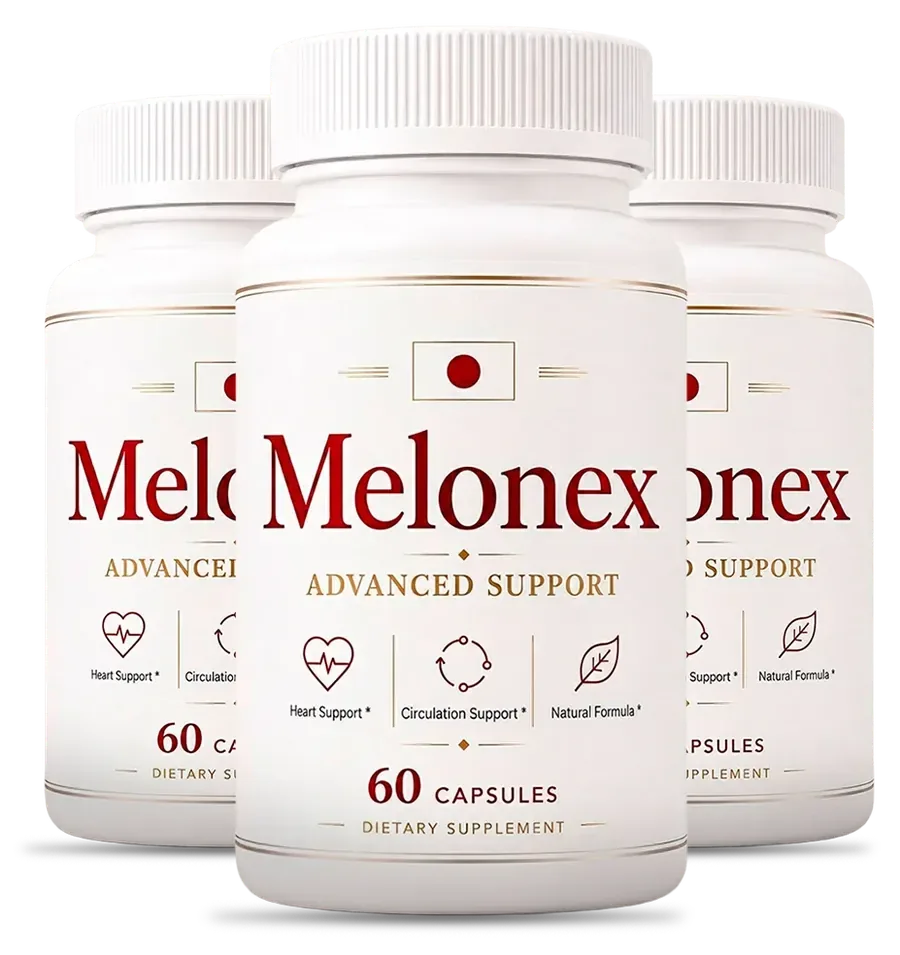
Melonex: from $49 a bottle60 capsules · 2, 3 or 6 bottles · free US shipping on 3 and 6 · 60-day money-back guarantee
See packsWhy do lots matter for safety?
Lots are how recalls and reports work. Without one, nobody can tell which bottles belong to a problem.
FDA's MedWatch asks for the product name, the lot and the details of the event 1. If many people report the same lot, a pattern shows. That is the way a hidden problem comes to light for a supplement that FDA has not pre-approved 5. Keep the lot number with your order email and your log, and write down the date you opened the bottle.
Keep the box and the bottle until the supply is finished, and a little beyond. The guarantee asks for sealed bottles in some cases, and a photo of the lot and seal at arrival helps your case. See the refund policy page.
What are the limits of a batch check?
A batch check tells you the bottle is traceable. It does not tell you the product works.
A clean lab report shows the capsule contains what it says and little that it should not. It cannot show benefit. For that you need a trial, and none of the finished product is published. Keep both ideas apart: quality is about what is in the bottle, and effect is about what happens in a person. The benefits page covers the second.
What if the answer is no, or never comes?
If the seller cannot or will not show a report, that is your answer. You can decide to use the guarantee, or not to use the product, with no more evidence needed.
Not every small maker has a lab report on hand, and some are slow to reply. Give it a fair time, and then decide on the facts you have: a label, a named distributor, a guarantee and no independent proof. Weigh those against your own needs. A person with no medicines and no conditions may see this as an acceptable risk for a modest sum. A person on three prescribed medicines may prefer a verified product, or none.
Whatever you decide, do not stop a prescribed medicine and do not delay care for symptoms. Those are the choices that carry the large risks, and they have nothing to do with the capsule.
What belongs in your own batch record?
Five items: order date, lot number, expiry date, a photo of the seal and a photo of the label.
- The order number and date from your confirmation email.
- The lot and expiry printed on the bottle.
- A photo of the intact safety seal at arrival.
- A photo of the label panel with the Supplement Facts.
- The date you opened the bottle and the first capsule day.
A short record like this takes two minutes and saves hours if you ever need to report a problem or ask for a refund. It also makes it easy to tell your clinician exactly what you took and when.
FAQ01
Melonex questions people ask
What is the Melonex lot number?
The seller quotes M-26/ME-3540 for the batch we saw. Check the lot printed on your own bottle.
What is the certificate reference?
The seller quotes M-3540-26-ME. It is a reference, not the document. Ask for the report.
Can I verify the lot online?
We found no public lookup. Email the order desk with your lot.
What if my lot differs?
Lots change over time. Ask for the certificate for your lot.
Is the CoA proof of safety?
Only if it names a lab, a method and the strength of each ingredient for your lot.
Where do I report a bad bottle?
Tell the order desk and report to FDA MedWatch with the lot number.
Who wrote this02
Written and reviewed by
Pages built from the label, the sales page and linked NIH, FDA, CDC, FTC and peer-reviewed sources.
Last updated . Read our editorial standards and how we check reviews. This website is the information site for a USA Authorized Melonex Retailer. It is not the manufacturer or the distributor named on the label. We earn money when you buy through our order links.
Keep reading
More about Melonex
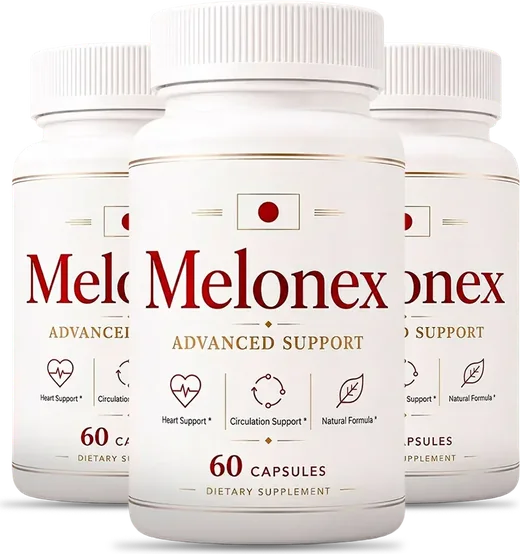
USA Authorized Melonex Retailer
Ready to try Melonex?
Check your medicines first, especially blood-pressure medicine, then pick a pack. Six bottles cost the least per bottle; three and six ship free in the US; every pack carries the 60-day money-back guarantee.
- Secure checkout on the sales site
- 60-day money-back guarantee
- Ships from the U.S.