
Guides
Melonex Guides: Blood Pressure, Home Readings, Medicines and Warning Signs
These guides explain the health background behind a heart-support supplement: what the blood pressure numbers mean, how to take a good home reading, which signs need 911 and how supplements and medicines can interact. They are general information from public sources, not medical advice, and none of them says that a capsule treats a condition.
Written by the Melonex label deskUpdated
Which guides are there?
Five guides, each with its sources at the bottom.
| Guide | What it covers |
|---|---|
| Blood pressure basics | The two numbers, the five ranges, how common high pressure is 12 |
| Home blood pressure monitoring | A four-step coach, cuff choice and a log 3 |
| Heart attack and stroke signs | Warning signs, BE FAST and when to call 911 45 |
| Supplements and blood pressure medicines | Interactions and how to ask a pharmacist 6 |
| Melonex name check | Why the name matches other things in search |
Where should you start?
Start with the question you have, not the list order.
- If you take prescribed medicine, start with the medicines guide.
- If you want to know your numbers, start with the basics and then home readings.
- If you have symptoms, stop reading and call 911 if they match the signs guide.
- If you found the name in a search for a different product, read the name check.
How do the guides connect to the product pages?
The guides give the background. The product pages give the label and the claims. Read both before you decide.
The ingredients page and the benefits page set the brand's words next to the evidence. The side effects page covers cautions. The pricing and guarantee pages hold the money facts. A guide never makes a product claim, and a product page always links back to a guide when it touches health. That separation is on purpose: a reader should be able to learn about blood pressure without being sold to.
How do we write the guides?
From government health pages and medical centers, with each source named and dated at the bottom.
The AHA, CDC and NHLBI pages provide the numbers and the signs. NCCIH and cancer-center pages provide the supplement background. FDA and FTC pages provide the rules. A medical reviewer will read the pages once one is named; until then the fields on the about page stay empty. See the editorial standards for the rules we follow.
What can guides not do?
They cannot examine you, test you or tailor a plan. They give general facts.
If you have high blood pressure or heart disease, your clinician's plan comes first. If you take medicine, keep taking it 7. If you have symptoms, call. These guides are for reading when you are calm, so that you ask better questions when you see your clinician.
What do the numbers guide teach?
The basics guide teaches the two numbers and the five ranges, so you can read a clinic slip or a cuff screen.
It explains that systolic is the pressure when the heart beats, diastolic is the pressure between beats, and that AHA calls under 120 over 80 normal and 130 over 80 or higher high 18. It tells you how common high pressure is, which is more than most people expect: about 48.1% of US adults 2. And it lists the habits with the best evidence: less sodium, DASH eating, activity, weight, less alcohol, no tobacco and good sleep 910. Read it first if the topic is new to you.
It also shows the five ranges in a table and a moving gauge, so you can see where a reading falls without doing the sums.
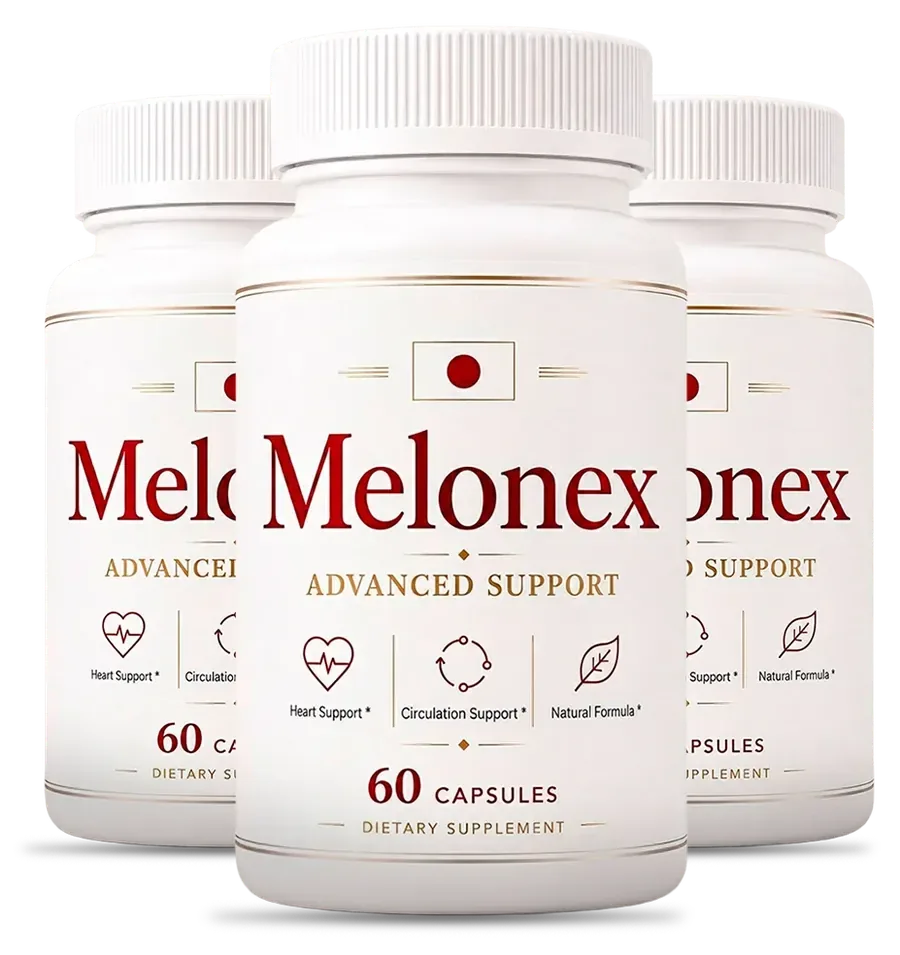
Melonex: from $49 a bottle60 capsules · 2, 3 or 6 bottles · free US shipping on 3 and 6 · 60-day money-back guarantee
See packsWhat does the home reading guide teach?
It teaches a repeatable way to measure, shown as an animated coach, so your numbers mean something.
The four steps are sit, support, place and stay quiet: rest five minutes, back supported, feet flat, cuff at heart level, no talking, two readings a minute apart 3. The guide adds how to choose a cuff, how often to measure, which mistakes spoil a reading and what to put in a log. The coach is an illustration. It does not measure anything, and the calm needle at the end is not a result. If you use a supplement, the log is how you and your clinician can see whether anything changed, and the results timeline shows how to keep it fair.
What do the safety guides teach?
Two guides cover safety: the warning signs that need 911, and the way supplements and medicines can add to each other.
The signs guide lists the heart attack and stroke signs from CDC and AHA, the BE FAST check and what to do while you wait for the ambulance 45. The medicines guide explains why arginine and citrulline can add to the effect of blood-pressure medicines, nitrates and sildenafil-type medicines, and how to ask a pharmacist 1112. Together they cover the two decisions that matter most: when not to wait, and when to ask first.
If you only have time for one, read the signs guide. It could be the one that matters most on the worst day.
Where do the guide facts come from?
Every number in the guides has a named source with a date, listed in a collapsed box at the bottom of each page.
| Topic | Source |
|---|---|
| Ranges and definitions | AHA, CDC 18 |
| How common | CDC 2 |
| Home measuring | AHA 3 |
| Medicines | NHLBI, AHA 137 |
| Warning signs | CDC, AHA 45 |
| Supplements and interactions | NCCIH, MSK 11126 |
If a source moves or changes, we re-check the page and fix our text. We prefer to say "we could not confirm" than to guess.
What should you do after reading?
Pick one action, and do it this week.
Get your number
Take a home reading with the coach steps, or book a clinic check.
Make your medicine list
Include supplements, with doses and start dates.
Ask your pharmacist
Bring the label of anything you are thinking of adding.
Learn the signs
Tell the people you live with.
Who are the guides for?
For adults who want the health background in plain words before they decide about a supplement, and for family members who help them.
They are written at a reading level most adults find easy, with short sentences and defined terms. They avoid fear and avoid promises. If you are caring for a parent, the guides are a good way to learn what to ask a pharmacist, how to take a reading and what signs to watch for. If you are a clinician, you will find nothing new here, and you should rely on your own sources. If you find a mistake, or a number that has been updated, write to the web desk on the contact page. We would like to hear it, and we will fix it.
Finally, if a guide leaves you worried about a symptom, do not keep reading. Call your clinician, or 911 if the signs match.
FAQ01
Melonex questions people ask
What are the Melonex guides?
Plain pages on blood pressure, home readings, warning signs, medicine interactions and the name confusion.
Are the guides medical advice?
No. They give general information from public sources.
Who reviews them?
A medical reviewer will be named when one agrees. The fields are empty now.
Do the guides sell the product?
No. Product claims stay on the product pages.
Where are the sources?
In a collapsed box at the bottom of every page.
Which guide first?
The one that matches your question.
Who wrote this02
Written and reviewed by
Pages built from the label, the sales page and linked NIH, FDA, CDC, FTC and peer-reviewed sources.
Last updated . Read our editorial standards and how we check reviews. This website is the information site for a USA Authorized Melonex Retailer. It is not the manufacturer or the distributor named on the label. We earn money when you buy through our order links.
Keep reading
More about Melonex
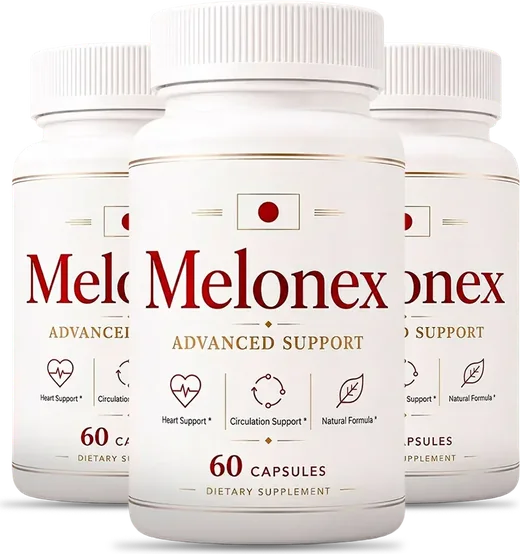
USA Authorized Melonex Retailer
Ready to try Melonex?
Check your medicines first, especially blood-pressure medicine, then pick a pack. Six bottles cost the least per bottle; three and six ship free in the US; every pack carries the 60-day money-back guarantee.
- Secure checkout on the sales site
- 60-day money-back guarantee
- Ships from the U.S.